
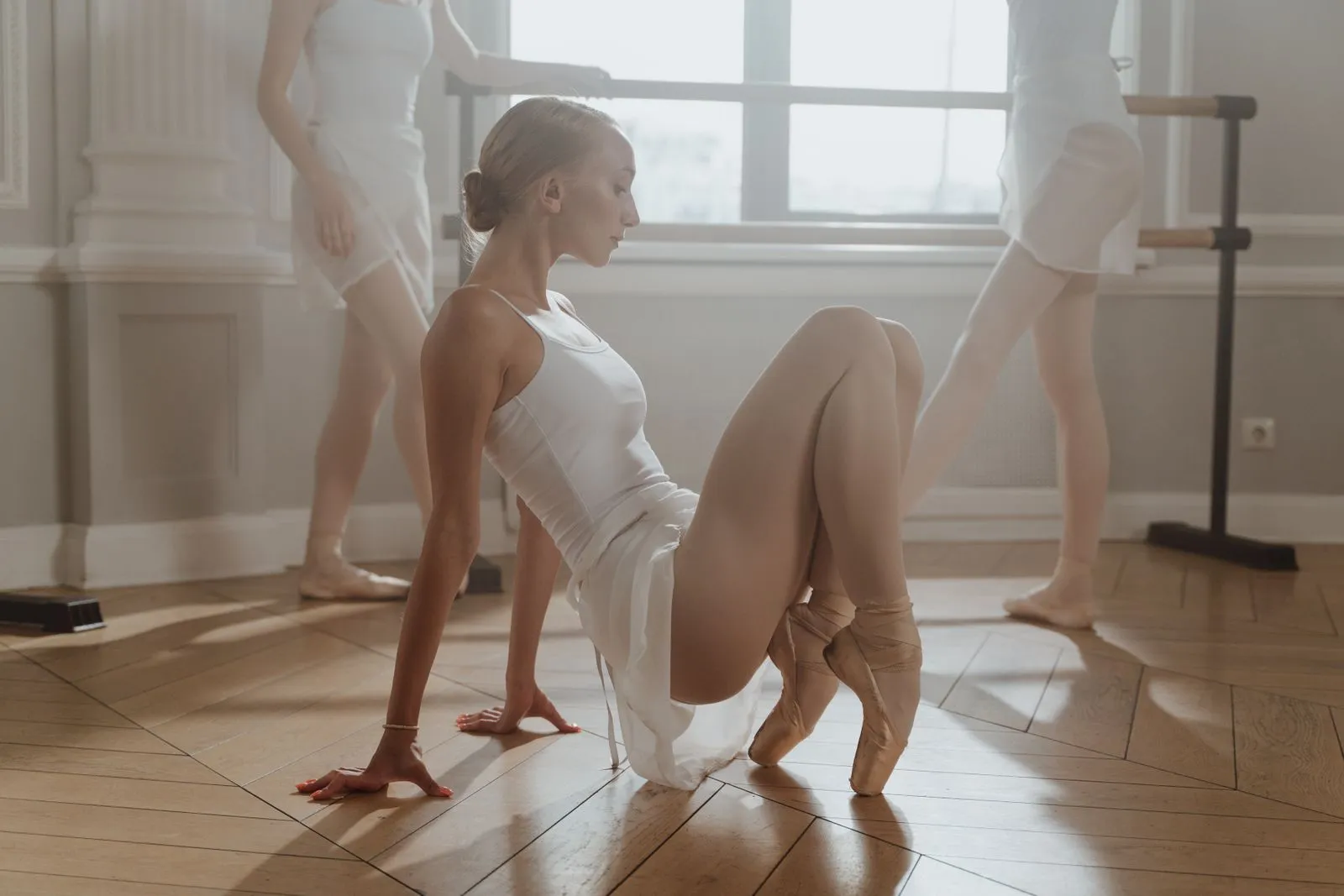
You don’t need a studio-sized room or a long practice session to make progress between dance classes. A little focused review can help steps feel more familiar and make it easier to join in next time. Set up a clear space, revisit what you learned in class, and work at a pace that feels comfortable. These simple habits can help you practice dance at home safely while building confidence one small step at a time.
Make a Safe Practice Space
Choose a flat, dry area with enough room to extend your arms and take a few steps in every direction. Move furniture, toys, bags, and other obstacles out of the way. Check the floor for loose rugs or slippery patches, and avoid practicing near sharp corners, glass, or stairs. If space is limited, mark a smaller area and adapt the movement rather than risking a collision.
Wear comfortable clothes that let you move freely. Choose footwear suited to the dance style and your floor; socks can slide unexpectedly on smooth surfaces. Keep water nearby, and take a moment to warm up with gentle walking, shoulder rolls, and easy bends before trying larger movements. Stop if you feel pain, dizziness, or unusual discomfort.
Review Steps in Small Pieces
Start by recalling one combination or movement from your last class. Break it into short sections and practice each slowly before connecting them. Focus on the order of the steps, where your weight shifts, and which direction you face. If you forget a detail, repeat the part you remember instead of rushing through the entire combination.
Use notes from class, a teacher-approved video, or a quick voice memo to refresh your memory. A mirror can help you check your position, but you can also practice without one to focus on how the movement feels. Keep your first goal simple: make the sequence clearer, not bigger or faster.
Build Timing and Confidence
Put on the class music and listen for the beat before dancing. Try clapping or stepping in place to find the rhythm, then add the choreography at a comfortable speed. If the music feels too quick, count aloud or practice without music first. Return to the song once the steps feel more settled.
Give yourself a small, specific goal for each session, such as remembering the starting position or completing one section without stopping. Repeat it a few times, then finish with a version you can do comfortably. Progress may look like fewer pauses, clearer timing, or feeling less unsure—not perfect execution.
Keep Sessions Manageable
Short, focused practice is easier to fit into a busy day than trying to rehearse everything at once. Pick one skill or combination, remove distractions, and stop when your attention or energy fades. Take breaks between repetitions, especially after jumps, turns, or other demanding movements. Consistent, comfortable review helps you arrive at class with useful questions and a clearer sense of what you want to work on.
Avoid teaching yourself advanced tricks or forcing a stretch to match a video. If a movement feels confusing, write down what you want to ask your instructor. At your next class, mention what you practiced and where you got stuck. That gives your teacher a practical starting point for helping you refine the movement safely.
Home practice works best when it feels safe, focused, and manageable. Clear a space, review one piece at a time, and notice small signs of progress rather than expecting perfection. Bring questions from your practice to your next class, and ask Austin Dance House about instruction that fits your dance goals.